

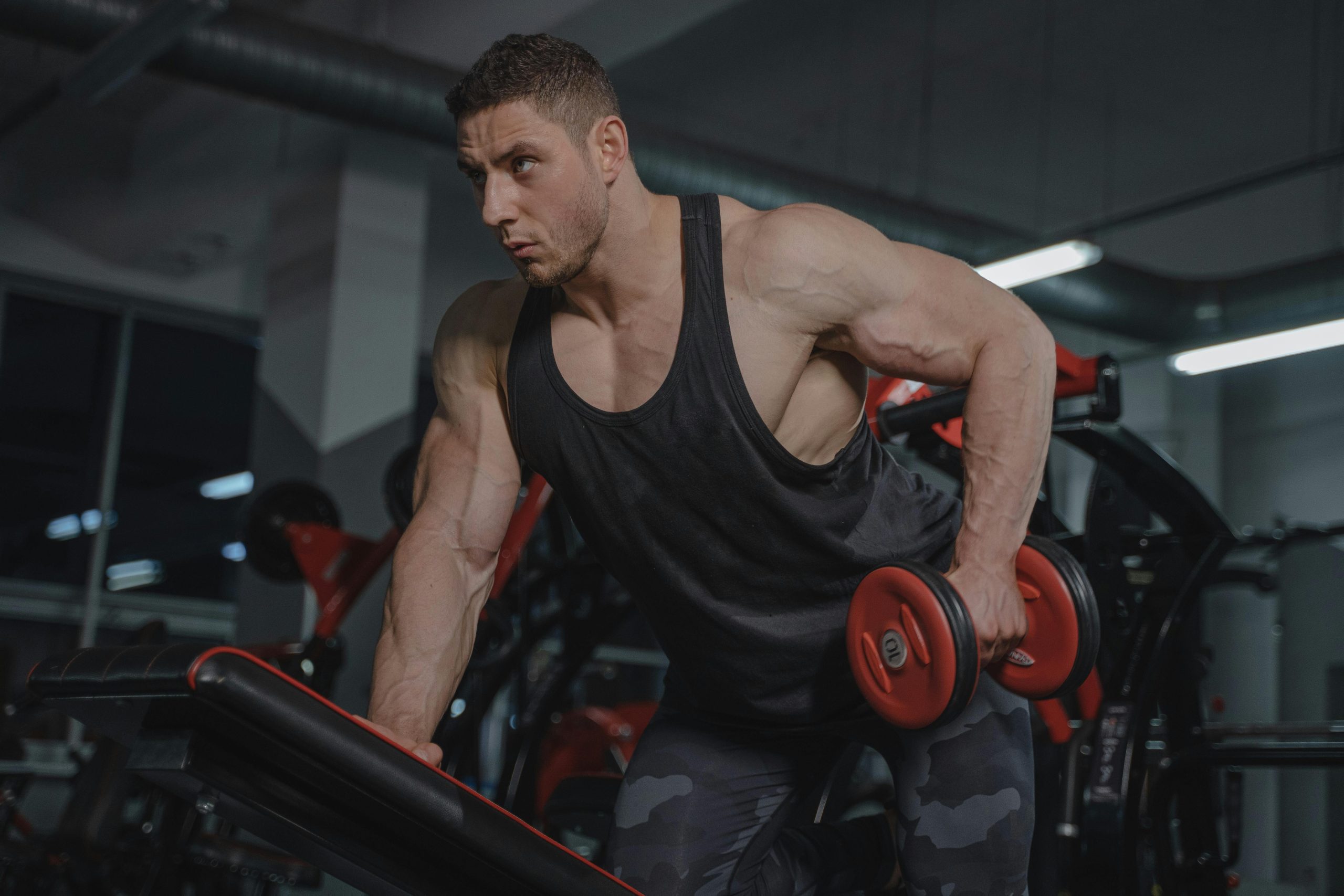
Recovery is a critical part of any fitness routine, especially after demanding training sessions that push the body to its limits. Intense workouts place stress on muscles, joints, and energy systems, making it essential to support the body’s natural repair processes. Effective recovery not only reduces soreness but also improves performance, prevents injury, and helps athletes maintain consistency in their training. By incorporating intentional recovery strategies, individuals can enhance their overall progress and feel stronger from one session to the next.
Prioritize Proper Hydration
Hydration plays a major role in post-workout recovery. During intense exercise, the body loses fluids and electrolytes through sweat, which can affect muscle function, energy levels, and overall performance. Replenishing these fluids helps restore balance and supports efficient recovery.
Water is essential, but electrolyte rich beverages may be beneficial after particularly strenuous sessions. Maintaining hydration throughout the day also helps reduce muscle cramps and supports circulation, which is important for delivering nutrients to recovering tissues.
Refuel With Balanced Nutrition
Nutrition is one of the most effective tools for speeding up recovery. After intense workouts, the body needs carbohydrates to replenish glycogen stores and protein to repair muscle fibers. A balanced post workout meal or snack that includes both macronutrients helps jump start the recovery process.
Some individuals also incorporate a muscle restoration supplement to support protein intake and enhance muscle repair. Whether through whole foods or supplements, the goal is to provide the body with the nutrients it needs to rebuild and recover efficiently. Consistent, balanced nutrition supports long term progress and reduces lingering soreness.
Incorporate Active Recovery
Active recovery involves performing low intensity movement to promote circulation and reduce stiffness. Activities such as walking, light cycling, stretching, or gentle yoga help increase blood flow without placing additional strain on the muscles.
This increased circulation helps deliver oxygen and nutrients to recovering tissues while removing metabolic waste that can contribute to soreness. Active recovery can be especially helpful on rest days, allowing the body to stay mobile and reducing the likelihood of tightness or discomfort.
Use Rest and Sleep Strategically
Rest is one of the most powerful recovery tools available. During sleep, the body releases hormones that support tissue repair, muscle growth, and overall recovery. Without adequate rest, the body struggles to rebuild effectively, leading to prolonged soreness and reduced performance.
Prioritizing consistent sleep schedules, creating a restful environment, and allowing for additional rest after particularly intense sessions can significantly improve recovery outcomes. Short rest periods between sets and workouts also help prevent overtraining and support long-term progress.
Apply Cold or Heat Therapy
Cold and heat therapy can both play valuable roles in post-workout recovery. Cold therapy, such as ice packs or cold baths, helps reduce inflammation and numb soreness after intense training. Heat therapy, including warm baths or heating pads, promotes relaxation and increases blood flow to tight or fatigued muscles.
Choosing the right method depends on the type of soreness or discomfort experienced. Many athletes alternate between cold and heat to maximize benefits. These simple techniques can be easily incorporated into a recovery routine and provide noticeable relief.
Stretch and Improve Mobility
Stretching and mobility work help maintain flexibility, reduce stiffness, and support proper movement patterns. After intense workouts, muscles may feel tight or shortened, making gentle stretching an effective way to restore balance.
Dynamic stretching before workouts and static stretching afterward can help improve range of motion and reduce the risk of injury. Incorporating mobility tools such as foam rollers or massage balls can also help release tension and support muscle recovery. Consistent mobility work contributes to smoother movement and better performance over time.
Listen to Your Body and Adjust Training
One of the most important aspects of recovery is learning to recognize the body’s signals. Persistent soreness, fatigue, or reduced performance may indicate the need for additional rest or adjustments to training intensity. Ignoring these signs can lead to overtraining, which slows progress and increases the risk of injury.
By paying attention to how the body responds, individuals can tailor their routines to support sustainable growth. This may include modifying workout intensity, incorporating more rest days, or adjusting recovery strategies to better meet personal needs.
Conclusion
Recovering faster after intense workouts requires a thoughtful combination of hydration, nutrition, active recovery, rest, therapy techniques, mobility work, and body awareness. By integrating these strategies into a regular routine, individuals can reduce soreness, improve performance, and support long term fitness success.