

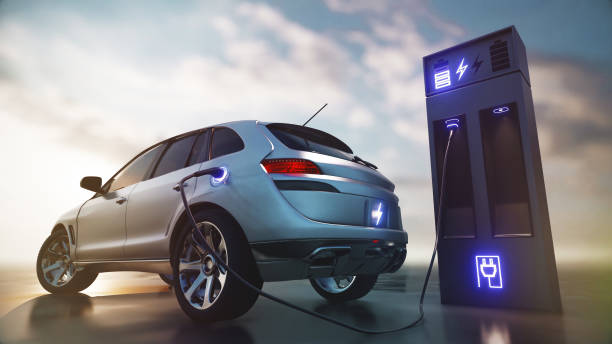
Electric Vehicles (EVs) are no longer a novelty — they are the future of transportation. With major automakers pledging to phase out internal combustion engines and governments setting ambitious emission-reduction targets, EVs are accelerating toward mainstream dominance. So, what can we realistically expect by 2030?
Here’s a comprehensive look at how EVs will evolve in the next five years and beyond.
1. Mass Adoption and Market Penetration
By 2030, EVs are expected to make up over 50% of new car sales globally, with some countries nearing full adoption.
- Countries like Norway, Germany, and the UK are leading the shift
- Emerging markets are rapidly building charging infrastructure
- Falling battery costs will make EVs as affordable as traditional cars
Bottom line: EVs will go from niche to normal — fast.
2. Extended Driving Ranges
Range anxiety will largely disappear by 2030.
- Solid-state batteries may deliver 600–1000 km on a single charge
- Improved aerodynamics and lightweight materials will boost efficiency
- Real-time route optimization will reduce unnecessary energy use
Result: Longer, smarter drives without frequent charging stops.
3. Ultra-Fast Charging Networks
Charging an EV in 30–60 minutes will become the new standard — and even sub-10-minute charging will emerge for select models.
- Global expansion of fast-charging stations, especially along highways
- Wireless charging pads in cities and parking lots
- Smart grids to reduce charging pressure during peak hours
Key trend: Charging will be as quick and accessible as filling gas.
4. Affordable EV Models for All Segments
More brands will enter the budget EV space, making electric cars accessible to all.
- Compact EVs under $20,000 will flood the market
- Subscription-based EV ownership models will gain popularity
- Used EVs will become more affordable and widespread
Impact: Broader adoption across income levels and regions.
5. EVs with Built-in Smart Tech
Cars will be smarter, not just cleaner.
- Autonomous driving features will be standard in most EVs
- AI-powered predictive maintenance and driver assistance
- Integrated infotainment with voice control, AR dashboards, and seamless mobile syncing
Outcome: Driving becomes safer, more connected, and more personalized.
6. Vehicle-to-Grid (V2G) Integration
Your car will do more than just drive — it will power your home or community.
- EVs will act as mobile energy storage units
- During peak times, EVs can sell energy back to the grid
- Homeowners will use EVs to store solar power and reduce energy bills
Benefit: EVs will strengthen renewable energy ecosystems.
7. Sustainability Beyond Emissions
Sustainability won’t stop at zero tailpipe emissions.
- Manufacturers will use recycled and plant-based materials
- Carbon-neutral factories will become the industry norm
- Battery recycling and second-life energy storage will reduce waste
Focus shift: From clean driving to clean production and disposal.
8. Fleet Electrification and Commercial EVs
Delivery trucks, buses, and even construction vehicles are going electric.
- Logistics companies will use EVs to reduce costs and meet climate goals
- Urban areas will enforce EV-only zones for delivery and transport
- Public transport systems will transition to all-electric fleets
Trend: EVs will dominate both personal and commercial transportation.
9. Global Policy Support and Incentives
Governments will play a critical role in accelerating EV adoption.
- Tax credits, rebates, and subsidies will remain in place
- Emission-based tolls and parking discounts for EVs
- Ban on new ICE vehicle sales in many countries by 2030
Outlook: Regulatory pressure and financial perks will drive adoption.
10. Revolution in Car Ownership
The concept of owning a car may transform entirely.
- Car-as-a-service (CaaS) models with EV fleets on demand
- Rise in EV-sharing platforms for urban areas
- Lower maintenance costs and fewer mechanical issues will reduce long-term ownership burdens
Conclusion: Owning, maintaining, and using a car will become simpler and more sustainable.
Final Thoughts
By 2030, electric vehicles will be more than just a transportation alternative — they’ll be the backbone of a cleaner, smarter, and more connected world. From smarter batteries to intelligent grids, the road ahead for EVs is electric in every sense of the word. For drivers, manufacturers, and governments, now is the time to plug into the future.