

Key Takeaways
- Selling “as-is” can accelerate transaction times and cut out repair costs, but requires a realistic approach to pricing and disclosure. Homeowners who need to sell quickly or are unable to invest in necessary repairs often turn to this strategy to move forward without incurring extra delays or expenses. Understanding your options and challenges upfront is crucial for a successful sale.
- Transparency, a clear listing strategy, and targeting the right buyers are essential for a smooth process. Communicating all known issues honestly, developing an attractive marketing plan, and prioritizing buyers who are motivated to purchase homes in less-than-perfect condition can reduce complications and foster better offers.
- Leveraging professional advice and repair estimates can help attract serious buyers and avoid legal pitfalls. Relying on experienced real estate agents, inspectors, and contractors for documentation and guidance provides confidence to prospective buyers, helping you stay compliant with disclosure laws and minimize renegotiation at closing.
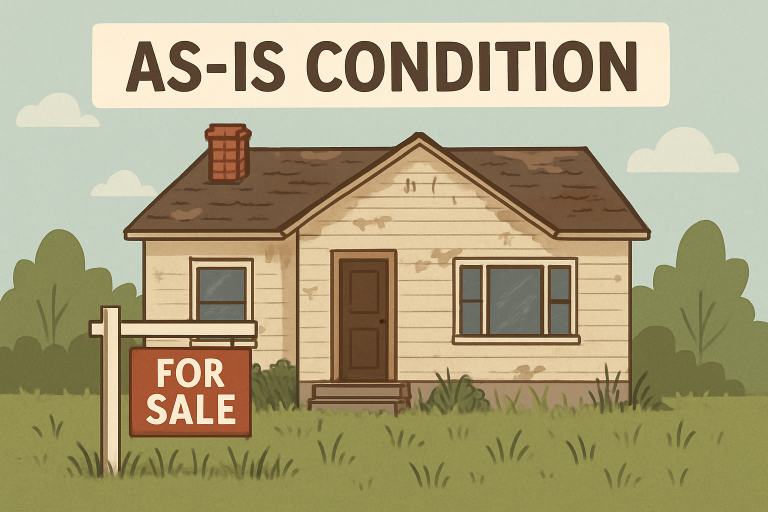
Selling your home “as-is” means listing it on the market in its current condition, with no repairs or updates made before closing. This approach frees homeowners from the financial and logistical burdens of making renovations, ranging from minor fixes to major overhauls. It’s a practical route for those who can’t afford, or don’t want, to invest additional time or money before selling. This strategy often appeals to people who need to move quickly or lack funds for renovations, and it is becoming increasingly popular in competitive local markets where speed and price flexibility are at a premium. If you’re hoping to sell without lengthy delays or costly improvements, considering an “as-is” sale might be the right solution. To explore fast-selling solutions, check out Sell Today. Selling as-is offers benefits, but it also involves trade-offs. Buyers often expect discounts due to repair costs, so clear communication about the property’s condition, inspections, and estimates helps build trust and avoid surprises. An as-is sale can save time and stress, especially when targeting investors or buyers seeking fixer-uppers who focus on value and renovation potential. Transparency, accurate pricing, and understanding buyers’ needs are key to smooth negotiations. For quick sales, cash homes appeal by eliminating mortgage hurdles and expediting transactions, making them ideal for urgent situations. According to Bankrate, sellers should be prepared for more negotiation and patience. Still, they may find the process worthwhile for its speed and simplicity, even if offers are lower or concessions are requested.
When Selling “As-Is” Makes Sense
- Financial Constraints: Owners who are unable to cover repair costs or invest in renovations may find an as-is sale to be the most feasible solution, especially when working with cash homes. With renovation expenses often unpredictable, choosing not to renovate the property allows homeowners to save money upfront and avoid the risk of incurring more funds for unexpected problems that may arise during repairs. Selling as-is empowers owners to move forward without stretching their finances or attempting repairs that may not boost value proportionately.
- Time Sensitivity: Whether it’s a job relocation, divorce, or an urgent need to downsize, selling as-is enables homeowners to close more quickly than through traditional sale routes. Less time is spent prepping, staging, and waiting for contractors. Quick closings are especially helpful in situations where holding costs—such as mortgage payments, taxes, and utilities—add up quickly, or when delays could jeopardize personal plans.
- Inherited Properties: Inherited homes, especially those managed remotely, can be challenging to maintain. Marketing and selling such properties “as-is” simplifies the estate process and prevents long-term holding costs from accruing. Additionally, it spares inheritors the burden of managing repairs on a house they may not be familiar with or able to visit frequently.
Key Considerations for Selling “As-Is”
Disclosure Obligations
- Regardless of the sale status, sellers must disclose any known material defects as mandated by state and federal law. Full disclosure reduces potential legal risks and demonstrates good faith to buyers, making them more comfortable with the idea of purchasing a home that requires work. Transparency builds trust and reduces the risk of post-sale disputes or lawsuits. Learn more about disclosure requirements from NOLO.
Pricing Strategy
- Setting a competitive price is crucial. Analyze comparable properties in your area—known as “comps”—and consider the cost of deferred maintenance or needed repairs when listing your home. Consult your real estate agent to price the property realistically, taking into account both market trends and the specific updates that buyers will need to make. Pricing too high scares off legitimate interest, while pricing too low may result in a poor return on investment.
Target Audience
- Focus marketing efforts on investors and buyers seeking fixer-uppers or custom renovation projects. These groups are generally less intimidated by visible wear and tear, but expect transparency and clear communication about what they’re buying. Catering your advertising to the right audience—those who understand and are excited by the opportunity—can lead to faster offers and less friction during negotiations.
Steps to Successfully Sell “As-Is”
Conduct a Pre-Listing Inspection
- Having a professional pre-listing inspection can reveal issues upfront, providing buyers with a comprehensive picture and reducing the need for last-minute renegotiations. This proactive approach often inspires confidence, leading to cleaner offers and fewer unexpected delays. An inspection can also help you understand the true state of the home, preventing surprises that could disrupt your transaction plans.
Obtain Repair Estimates
- While you aren’t obligated to make repairs, providing potential buyers with cost estimates for necessary work arms them with useful insight. Buyers often feel more comfortable making an offer when they know exactly what needs fixing and can budget accordingly. It can also help justify your listed price and facilitate smoother negotiations, as buyers trust sellers who provide detailed and professional documentation.
Highlight Positive Features
- Even as-is homes have selling points. Emphasize strengths such as prime location, large lot size, desirable schools, or unique architecture. All properties possess unique attributes—like mature landscaping, proximity to transit, or community amenities—that add value beyond the physical structure. Effective marketing can shift attention from cosmetic flaws to the intrinsic value of the property, helping buyers see the potential it has to offer.
Final Thoughts
Selling a property “as-is” offers an efficient, practical solution when facing tight budgets or urgent timelines. It requires careful planning: disclosures must be thorough, pricing must align with market expectations, and your listing should appeal directly to buyers who value both quality and potential. By focusing on these key elements, sellers can sidestep many pitfalls common to traditional real estate deals. With proper preparation and strategic outreach, you can increase your chances of a successful, speedy, and stress-free transaction.