

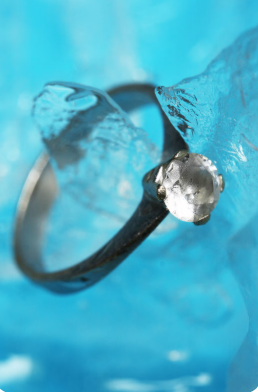
Lab-grown diamonds have rapidly gained recognition among consumers seeking sustainable, ethical, and beautiful alternatives to traditional gemstones. As people become more conscious of their impact on the planet and society, interest in options like Gema&Co’s lab diamond rings continues to soar. However, despite their rising popularity, confusion and misinformation remain about what lab-grown diamonds really are, how they are made, and what sets them apart from both mined diamonds and diamond simulants.
This article aims to clear up common misconceptions, present accurate facts, and delve into the latest industry trends shaping the future of lab-grown diamonds. As buyers look for authentic gems that align with modern values, it is important to distinguish lab-grown diamonds from common myths and to understand their real benefits. Ethical sourcing, affordability, and superior quality are just a few reasons lab-grown diamonds now stand at the frontier of the jewelry industry. As technology revolutionizes how these diamonds are produced, more people find themselves drawn to the value and peace of mind that a scientifically crafted diamond delivers. Understanding the advantages and truths behind lab-grown diamonds empowers buyers to make informed jewelry choices, whether for personal milestones or simply as a statement of ethical style.
Myth 1: Lab-Grown Diamonds Are Not Real Diamonds
One of the most common misconceptions is that lab-grown diamonds are somehow “fake.” In reality, they are composed of pure carbon, just like natural diamonds, arranged in the same crystalline structure. This means lab-grown diamonds are virtually identical to mined diamonds in terms of their chemical, physical, and optical characteristics. The only real difference lies in how they are formed: lab diamonds are grown in a controlled environment that replicates the conditions deep within the earth. Recent studies have shown that gemological grading labs now routinely certify lab-grown diamonds with the same rigor as natural stones, further affirming their status as true diamonds. This has helped eliminate much of the skepticism, allowing customers to feel secure in the authenticity and value of their purchase. Even experienced jewelers rely on advanced testing equipment to distinguish lab-grown diamonds from those mined, a testament to their true diamond nature.
Myth 2: Lab-Grown Diamonds Lack Durability
Durability is a hallmark of every diamond, and lab-grown varieties are no exception. Both natural and lab-grown diamonds score a 10 on the Mohs hardness scale, making them the hardest minerals on Earth. This ensures lab-grown diamonds are resistant to scratches, chips, and wear, making them perfectly suited for everyday jewelry or special heirloom pieces. For a more detailed comparison, National Geographic provides extensive insights into diamond properties and durability. A key advantage of this extreme durability is that lab-grown diamonds are ideal not only for traditional rings and pendants but also for innovative jewelry designs. Designers often take advantage of their quality and consistency to produce complex and delicate pieces that still promise a lifetime of enjoyment.
Myth 3: Lab-Grown Diamonds Have No Resale Value
Another myth is that lab-grown diamonds cannot be resold or traded. While the resale value of diamonds as a whole is often lower than the original purchase price, the landscape is changing. As more jewelers and marketplaces embrace lab-grown options, trade-in and buyback programs are becoming available. Nonetheless, diamonds are generally purchased primarily for their beauty and sentiment, not as an investment. Additionally, a growing number of online platforms dedicated to secondhand jewelry are beginning to accept certified lab-grown stones, broadening resale possibilities. This growing acceptance among consumers and retailers points to a more sustainable, circular approach to jewelry ownership in the future.
Myth 4: Lab-Grown Diamonds Are Environmentally Harmful
Lab-grown diamonds are often presented as a more eco-friendly alternative to mined diamonds. They require significantly less earth displacement and water consumption. However, not every lab diamond is created with the same environmental standards. The energy source for diamond cultivation varies. Some factories utilize renewable sources, while others may rely on coal or natural gas. Researching a company’s specific sustainability practices is essential to make an environmentally responsible purchase. Scientific American explores the nuanced environmental impact of lab vs. mined diamonds. Innovations in clean energy and carbon capture are beginning to intersect with lab-grown diamond production, creating truly carbon-neutral gems. As these technologies mature, consumers can expect even greater environmental transparency and standards across the industry.
Myth 5: Lab-Grown Diamonds Are Indistinguishable from Simulants
Lab-grown diamonds should not be confused with simulants like cubic zirconia or moissanite. While simulants can visually mimic the real thing, their structure and composition are completely different. Lab-grown diamonds, on the other hand, are diamonds through and through, requiring advanced gemological instruments to distinguish them from natural stones. Simulants are often easily recognized with routine visual tests or even to the naked eye. This distinction means that lab-grown diamonds maintain the same prestige and desirability as mined diamonds, especially for engagement rings and other meaningful pieces. For buyers, understanding this point helps in choosing jewelry that carries genuine value and authenticity.
Trend 1: Increasing Market Share
The global market share for lab-grown diamonds is swiftly expanding. As of 2025, the lab-grown diamond sector was valued at more than $29 billion, with projections suggesting this could triple within a decade. Scaling production capabilities and growing consumer awareness both contribute to this surge. This market momentum is expected to accelerate further as industry leaders and retail giants invest in lab-grown diamond collections. Major designers and luxury brands are now embracing lab-grown diamonds in their collections. This acceptance within the high-end market demonstrates the growing mainstream legitimacy and appeal of these stones, further solidifying their place in the world of fine jewelry.
Trend 2: Technological Advancements
Significant advancements in lab-grown diamond manufacturing have made the process more efficient and affordable. Technologies such as High Pressure High Temperature (HPHT) and Chemical Vapor Deposition (CVD) have enabled the creation of high-quality stones at lower cost. This technological evolution means greater accessibility for buyers seeking larger, clearer stones without a corresponding price spike. Beyond affordability, technology has also enabled considerable customization of cut, color, and carat, giving designers and consumers unprecedented flexibility. As R&D continues, quality and precision are expected to improve, opening even more possibilities for unique and custom jewelry.
Trend 3: Consumer Preferences Shifting
Today’s consumers, particularly Millennials and Gen Z, often prioritize environmental sustainability, ethical sourcing, and value for money. This shift in preference has propelled lab-grown diamonds into the mainstream. With their affordability and sustainability, more buyers are choosing lab-grown options, allowing them to get larger, more impressive stones or allocate resources toward other financial goals.
Brands are responding by offering greater transparency about diamond origins and production practices, cultivating trust and loyalty. This direct engagement speaks to a new era in the jewelry industry, where informed, conscientious consumers set the pace for future trends.
In summary, lab-grown diamonds break old stereotypes, offer lasting value, and are at the forefront of what modern consumers want in fine jewelry. As their benefits become increasingly recognized and innovations continue to lower costs and environmental impact, lab-grown diamonds are reshaping the future of the jewelry industry.