

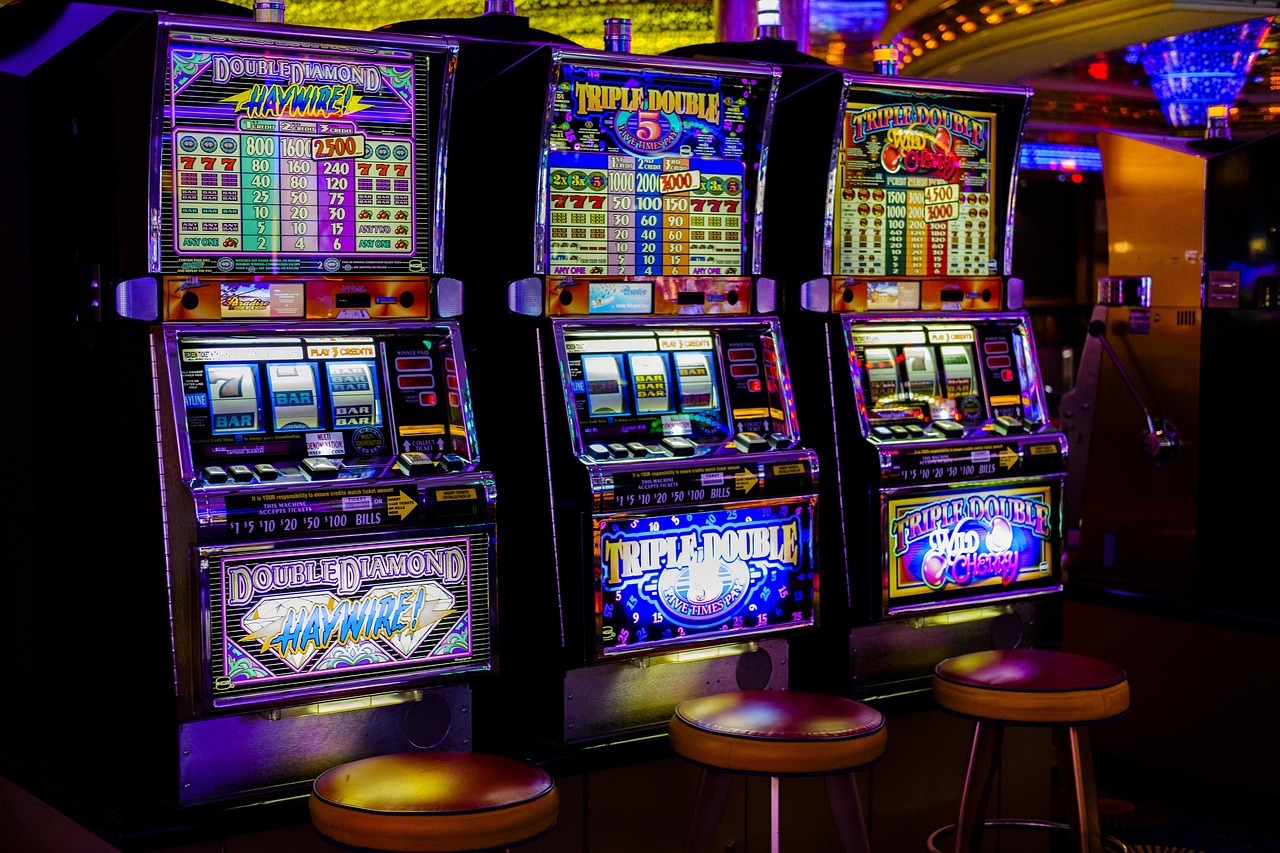
Step into a casino—or open an online slot game—and you’re instantly greeted with a dazzling mix of flashing lights, upbeat sounds, and cheerful jingles. These features aren’t random; they are carefully designed to shape how players feel and behave.
The psychological effects of sound and light are among the most powerful tools in slot design. They can boost excitement, mask fatigue, and even distort time perception. To explore these effects in detail, readers should first understand the basics of slot sensory design.
The Role of Sound in Slot Games
Sound is one of the most influential elements in slot play. From the moment players press “spin,” every audio cue is designed to trigger emotions.
- Background Music: Sets the mood, whether calming, adventurous, or suspenseful.
- Spin and Reel Sounds: Create anticipation while waiting for results.
- Winning Jingles: Amplify the thrill of payouts, even for small wins.
Research shows that sound enhances the brain’s reward response, making even modest rewards feel more satisfying. In this way, sound doesn’t stand alone—it works hand in hand with visuals.
The Role of Light and Visual Effects
Visual elements are equally critical in shaping the player’s experience. Slot games are known for their flashing lights, animations, and vibrant colors.
- Flashing Lights: Highlight wins or bonus triggers.
- Animations: Make reels feel alive and dynamic.
- Color Psychology: Bright reds and golds often signal excitement or wealth.
These elements reinforce the emotional journey created by sound, ensuring that players remain immersed and engaged.
How Sound and Light Create Immersion Together
When combined, sound and light form a multisensory experience that pulls players deeper into gameplay.
- A flashing jackpot banner paired with triumphant music creates an overwhelming sense of achievement.
- Spin sounds synced with animations build suspense before reels stop.
- Coordinated audio-visual cues ensure that attention remains fixed on the screen.
This heightened immersion is powerful—but it also comes with a downside. It makes players more likely to lose track of time during sessions.
The Psychology of Sensory Triggers
Sound and light stimulate the brain’s dopamine-driven reward system, which is responsible for pleasure and motivation.
- Anticipation: The spin sound builds excitement before results are revealed.
- Reward Response: Winning cues release dopamine, reinforcing play.
- Emotional Swings: Losses feel muted compared to the strong highs of wins, encouraging continued play.
Emotional Highs from Winning Cues
Celebratory jingles, coin-dropping sounds, and flashing graphics amplify the thrill of winning. Even small payouts are made to feel significant, tricking players into believing they’re more successful than they are.
Stress from Overstimulating Effects
On the flip side, excessive sensory stimulation can overwhelm players. Constant flashing lights and repetitive sounds may lead to stress, fatigue, and impaired judgment. Awareness of these effects helps players maintain balance and control.
Time Distortion Caused by Sensory Design
One of the most striking effects of sound and light is time distortion.
- Perceived Time: Exciting sensory input makes sessions feel shorter than they are.
- Actual Time: Hours may pass unnoticed, leading to extended play.
- Consequence: Players spend more money and energy than intended.
This gap between perceived and real time highlights why breaks and external reminders are critical in slot gaming.
Responsible Play in a Sensory Environment
Because sensory design can encourage overplaying, responsible strategies are essential:
- Set Time Limits: Use alarms or timers to regulate sessions.
- Mute or Lower Volume: Reducing sound helps lessen emotional highs.
- Play in Moderation: Schedule sessions instead of playing continuously.
- Self-Monitor: Pay attention to how lights and sounds affect mood.
These habits help players enjoy the entertainment value of slots without being carried away by design features.
Reliable Platforms for Safe Slot Play
Trustworthy platforms support players in managing sensory-driven impulses with tools for responsible gaming.
Exploring Trusted Options
- ยูฟ่า 747 เข้าสู่ระบบ เว็บตรง – Readers can explore updates and entertainment here, with football and casino services alongside safe slot play.
- คาสิโนออนไลน์ เว็บตรง – A secure, regulated platform offering fair systems and enjoyable experiences without excessive risk.
Such platforms combine entertainment with transparency, ensuring that sensory design is balanced with responsible play features.
Long-Term Impact of Sensory Design on Players
Repeated exposure to light and sound can shape long-term habits:
- Emotional Conditioning: Players associate cues with excitement, fueling repeat play.
- Risk-Taking Behavior: Over time, immersion lowers sensitivity to losses.
- Desensitization: Players may need more intense stimuli for the same thrill.
Awareness of these long-term impacts is essential for keeping slot play enjoyable and sustainable. Recognizing how design affects psychology empowers players to set boundaries.
Conclusion – Balancing Entertainment and Awareness
Sound and light are not just decorative features in slot games—they are powerful psychological tools. They create immersion, trigger dopamine responses, distort time, and shape long-term habits. While these elements enhance entertainment, they also carry risks of overstimulation and overplaying.
We’ve explored the roles of sound, light, combined immersion, psychology, time distortion, responsible strategies, and safe platforms. The key takeaway is clear: enjoy the design, but stay aware of its effects.
By combining awareness with responsible play habits and choosing reliable platforms, players can strike the perfect balance—appreciating the entertainment of sensory design while keeping control of their gaming experience.