

Introduction
The gaming industry is experiencing unprecedented growth, with talented developers creating innovative and immersive experiences for global players. However, no matter how great a game is, reaching users is a challenge without the right tools. Today’s best game publishing platforms are designed to help studios of all sizes distribute, market, and monetize their games across diverse markets. These platforms bridge the gap between creative vision and audience reach, enabling developers to focus more on innovation and less on logistical barriers.
By utilizing robust publishing solutions, developers cannot only access larger and more varied audiences but also maintain greater creative control. The emergence of digital distribution marks a shift in both opportunity and empowerment, reshaping how audiences interact with new titles and how developers sustain their projects.
The Evolution of Game Publishing
The path from concept to market launch once depended heavily on partnerships with large publishers and physical retailers. Under this traditional model, developers often surrendered significant revenue shares and autonomy in exchange for distribution and marketing support. Independent studios struggled to break through, and creative risks were discouraged.
The rise of digital distribution transformed this process entirely. Online platforms eliminated many entry barriers, allowing developers to self-publish, reach international markets overnight, and connect directly with their audiences. This democratization of access has given rise to new genres, unique voices, and a wave of indie successes that would have been unthinkable a decade ago.
Key Features of Modern Game Publishing Platforms
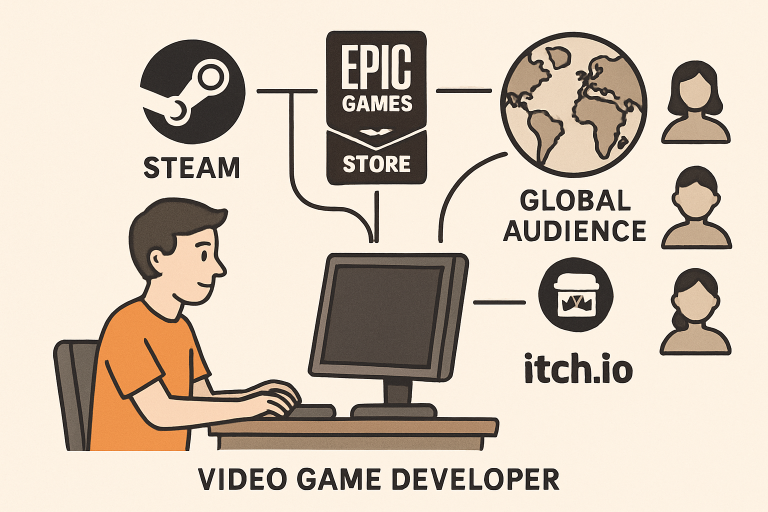
- Global Distribution: Digital distribution ensures games are instantly available in multiple territories, expanding market reach and revenue potential. Platforms such as Steam and the Epic Games Store exemplify this, hosting storefronts localized for international users and supporting seamless updates.
- Marketing Tools: Built-in analytics empower developers to study player behavior, optimize store listings, and experiment with promotional tactics. These tools facilitate targeted campaigns and maximize return on ad spend.
- Monetization Options: Modern platforms support flexible pricing, subscriptions, downloadable content (DLC), and microtransactions. Developers have greater control over how their titles generate revenue, allowing them to choose what best fits their audiences and business models.
- Community Engagement: Integrated forums, reviews, and communication channels cultivate strong player communities. Developers can gather critical feedback, support fans, and sustain player interest through community events or updates.
The Rise of Self-Publishing
A growing number of studios are foregoing traditional publishing partnerships entirely. By leveraging digital platforms, developers can independently launch and manage their games without external approval or hefty commissions. The hit title “Among Us” is a testament to the effectiveness of self-publishing. InnerSloth originally released the game through digital storefronts on a limited budget, relying on grassroots promotion and streamer advocacy, which ultimately led to viral success and mainstream popularity.
Self-publishing benefits include retaining intellectual property rights, having creative control, and earning a larger profit share. With access to affordable marketing tools, analytics, and instant updates, independent studios can iterate rapidly, respond to player feedback, and build lasting brands.
Leveraging Social Media for Success
Game discovery is increasingly influenced by social media, whether through viral clips, developer updates, or curated discussions. Smart integration with these channels can supercharge launch momentum and sustain community interest long after release.
Evidence points to real-world benefits: one study found that developers who actively used Twitter during their launch week experienced a 314% increase in reviews compared to those who did not. Social channels enable targeted communication, influencer partnerships, and the gathering of feedback at scale, thereby exponentially magnifying a game’s reach.
Challenges and Considerations
- Revenue Sharing Models: Not all platforms offer the same financial terms. Developers should scrutinize commission rates, payment structures, and legal agreements to ensure they retain value and independence where possible.
- Platform Policies: Each marketplace has its own content and conduct guidelines. Developers must navigate these carefully to avoid delisting, delayed launches, or mandatory changes that might compromise creative intent.
- Market Saturation: With thousands of games vying for attention, discoverability is a challenge. Successful launches combine standout game design with thoughtful marketing campaigns and unique selling points.
Conclusion
The explosion of game publishing platforms has permanently altered how developers bring their projects to market. These platforms are more than just distribution channels—they’re comprehensive toolkits that offer community engagement, marketing intelligence, and flexible monetization. By choosing the right platform, understanding its features, and integrating social media strategies, developers increase their chances of achieving both commercial and creative success. As the digital landscape continues to evolve, those who leverage the full capabilities of modern publishing will be best positioned to delight global audiences and build enduring franchises.