

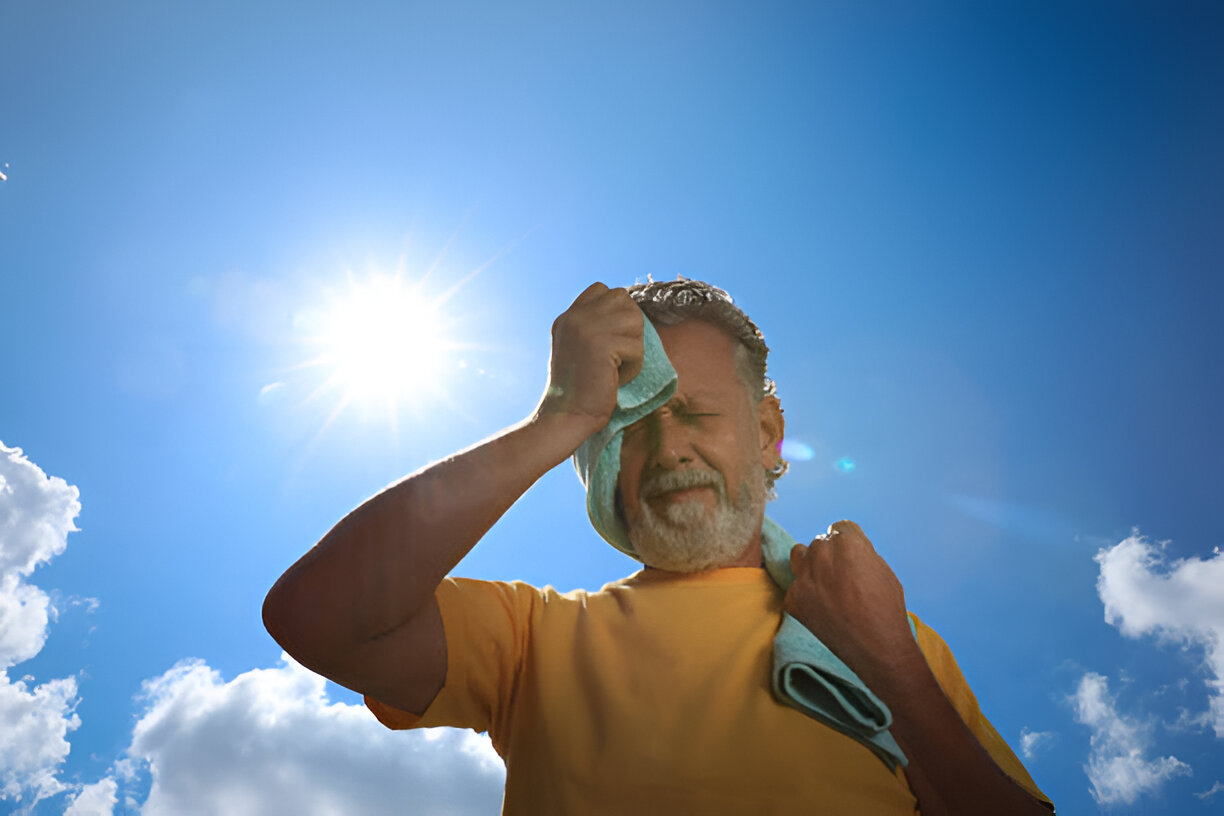
As summer temperatures climb, heat-related illnesses become a growing concern. Spending time outdoors for work, exercise, or recreation can quickly turn dangerous when your body is unable to cool itself effectively. Two of the most common heat-related conditions are heat exhaustion and heat stroke. While the names are often used interchangeably, they are very different in severity, symptoms, and treatment. Knowing how to tell them apart is essential, as one can be managed with simple first aid while the other can become life-threatening if not treated immediately.
Why Heat Illnesses Are Increasing
Heat exhaustion and heat stroke are not new, but they are becoming more common. Rising global temperatures, more frequent heat waves, and the popularity of outdoor activities all contribute to greater exposure risks. People who spend long hours in hot environments—athletes, construction workers, or even festival goers—may suddenly find themselves overwhelmed by heat stress. Vulnerable groups, such as the elderly, children, and individuals with chronic medical conditions, are at even greater risk. This makes awareness of symptoms and quick response all the more important.
Understanding Heat Exhaustion
Heat exhaustion is the body’s warning that it is overheating. It develops when you lose too much water and salt through sweating. The symptoms include:
- Heavy sweating
- Weakness or fatigue
- Dizziness or fainting
- Muscle cramps
- Nausea or vomiting
- Headache
- Pale, clammy skin
Although unpleasant, heat exhaustion is generally not life-threatening if addressed quickly. Moving to a cooler environment, hydrating, and resting can resolve the condition within an hour. The danger lies in ignoring the signs, which can lead to progression into heat stroke.
Understanding Heat Stroke
Heat stroke is a far more severe condition. It occurs when the body’s temperature rises above 104°F (40°C) and it can no longer regulate heat. At this stage, the body begins to shut down, putting vital organs at risk of damage. Symptoms include:
- Hot, dry skin with little or no sweating
- Confusion, agitation, or slurred speech
- Rapid heartbeat
- Seizures
- Loss of consciousness
Unlike heat exhaustion, heat stroke is a true emergency. If untreated, it can result in permanent injury or death.
Key Differences Between the Two
While both conditions are caused by heat, their signs and severity differ:
- Sweating: Present in heat exhaustion, often absent in heat stroke.
- Body temperature: Mildly elevated in heat exhaustion; extremely high in heat stroke.
- Mental state: Clear-headed with fatigue in heat exhaustion; confusion or unconsciousness in heat stroke.
- Treatment: Rest and fluids for heat exhaustion; immediate emergency medical attention for heat stroke.
Recognizing these differences ensures that appropriate action is taken.
First Aid for Heat Exhaustion
If you suspect heat exhaustion, the following steps can help:
- Move the person to shade or an air-conditioned place.
- Encourage them to sip water or electrolyte drinks.
- Loosen tight clothing and remove unnecessary layers.
- Apply cool, wet cloths or use fans.
- Monitor symptoms—if they do not improve within an hour, seek medical attention.
First Aid for Heat Stroke
When heat stroke occurs, urgent action is required:
- Call emergency services immediately.
- Move the person to a cool area.
- Apply cold packs to the neck, armpits, and groin.
- Immerse in cool water if possible.
- Monitor breathing and pulse, and be ready to begin CPR if necessary.
In many cases, people realize too late that heat stroke is not improving on its own. This is why having prior training is invaluable. Programs such as CPR courses ensure that individuals are ready to act in critical emergencies where life-saving intervention may be needed.
Who Is at the Highest Risk?
Heat illnesses can affect anyone, but certain groups are more vulnerable:
- Children: Their bodies do not regulate temperature as effectively.
- Older adults: They often have reduced thirst sensation, leading to dehydration.
- People with health conditions: Heart disease, diabetes, and respiratory problems increase risk.
- Outdoor workers and athletes: Extended exposure in hot conditions makes them especially vulnerable.
Understanding these risks helps with prevention and preparation.
Preventing Heat Illnesses
The good news is that most heat-related illnesses can be prevented. Some key measures include:
- Stay hydrated: Drink water regularly, even before you feel thirsty.
- Dress appropriately: Light, breathable fabrics help the body cool.
- Plan ahead: Schedule strenuous activities for early morning or late evening when temperatures are lower.
- Take breaks: Rest often in shaded or cool areas.
- Use sun protection: Hats, sunglasses, and sunscreen reduce strain on the body.
By practicing these habits, the likelihood of heat exhaustion or heat stroke can be greatly reduced.
The Importance of Training
While prevention and awareness are crucial, emergencies still happen. Having practical skills in first aid and CPR allows you to respond effectively. Training programs provide the hands-on experience needed to remain calm, recognize warning signs, and act quickly when seconds count. In heat stroke cases where breathing or heartbeat stops, CPR can mean the difference between survival and tragedy.
Conclusion
Heat exhaustion and heat stroke are often confused, but the consequences of misunderstanding them are serious. Heat exhaustion signals dehydration and overheating, while heat stroke is a life-threatening emergency that demands immediate action. Prevention strategies like hydration, shade, and smart activity planning are your first defense. But equally important is knowing how to act when an emergency arises.