

Introduction
Whether you realize it or not, casters are foundational components in transforming many workspaces. From factory floors packed with machinery to bustling hospital corridors lined with vital medical equipment, these simple yet powerful devices make mobility not only possible but effortless. They streamline operations by allowing staff to move heavy items with minimal effort, improving the efficiency and safety of day-to-day work. Choosing the right caster can even mean the difference between a smooth workflow and a bottlenecked environment where progress stops. Among the most reliable solutions on the market are Hamilton casters, known for their durability and flexibility in challenging settings, making them a wise investment for businesses looking to stay ahead.
The value of casters goes beyond just moving equipment from point A to point B. Industries across manufacturing, healthcare, hospitality, and beyond invest in quality casters to improve safety protocols, minimize wear and tear on expensive flooring, and reduce worker fatigue—all of which directly impact productivity and employee well-being. Easy movement of load-bearing carts or machinery means fewer workplace injuries, less strain on workers, and lower turnover. When selecting a caster solution, it’s vital to consider not only the physical requirements—such as load capacity, wheel composition, and swivel mechanism—but also the longevity and proven reliability offered by brands like Hamilton. Investing in high-quality casters reduces long-term maintenance costs and frequent replacements, translating to substantial savings and operational longevity.
Enhancing Mobility in Manufacturing
On manufacturing floors, the need to relocate heavy equipment, machinery, and bulk materials safely and quickly can dictate the speed and flexibility of production. Casters, especially those designed for industrial use, enable agile reconfiguration of production lines and workstations, supporting lean manufacturing principles and just-in-time inventory systems. Advanced options like air casters can lift massive components effortlessly by floating them on a thin layer of air, making them ideal for modular manufacturing, where flexibility and efficiency are paramount. With workers able to move sizeable modules or heavy components with minimal exertion, downtime is reduced, workplace injuries decrease, and production runs become more adaptable to shifting market needs. According to recent research, adopting these flexible systems is a principal strategy for modern manufacturers aiming to stay competitive and responsive in today’s fast-paced environment.
Additionally, repositioning equipment quickly without damaging factory floors allows businesses to experiment with layouts and processes, leading to better product quality and faster innovation cycles. Durable, high-capacity casters withstand extreme conditions, such as exposure to chemicals or constant vibration, further supporting a robust manufacturing environment.
Improving Safety in Healthcare Facilities
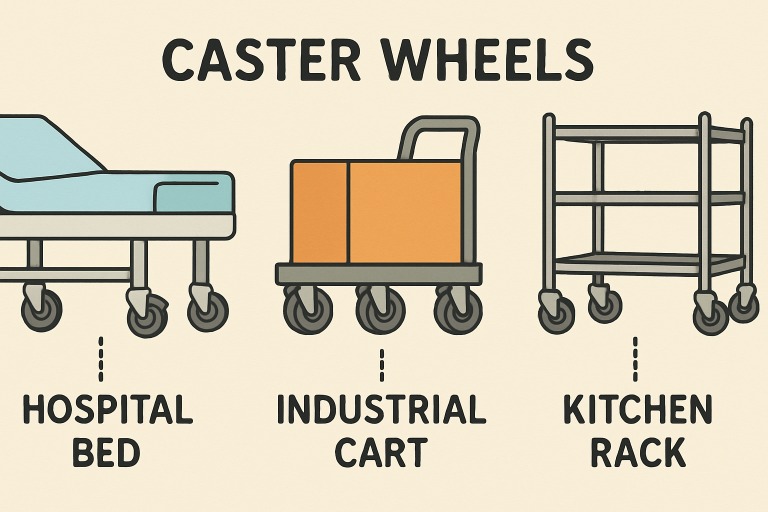
In healthcare facilities, medical equipment’s smooth and reliable movement is essential for operational convenience, patient safety, and comfort. High-quality casters limit vibration and noise, invaluable attributes in sensitive hospital and clinical environments where even minor distractions can affect patient outcomes. Swivel and total lock features found on many hospital-grade casters provide secure stability for equipment during intricate medical procedures, ensuring that devices do not shift unexpectedly. By reducing noise and minimizing unnecessary motion, casters help staff maintain calm, focused, and efficient patient care environments, ultimately improving patient experiences.
The importance of noise control in healthcare cannot be overstated. Minimizing background disruptions for patients recovering from surgery or illness is critical for restful healing. Staff benefit from a quieter environment, allowing for better concentration during procedures and reducing workplace stress. The right casters also contribute to orderly, efficient emergency responses, enabling rapid movement of beds, crash carts, and surgical instruments when time is of the essence.
Optimizing Space in Food Service
Commercial kitchens and food service environments rely heavily on casters to support their ever-busy and dynamic operations. With high-volume restaurants and institutional kitchens facing space constraints, prep tables, storage racks, dishwashers, and ovens are typically placed on casters for maximum flexibility. This mobility allows kitchen layouts to be adjusted on the fly to accommodate changing menus, significant catering events, or cleaning routines, ensuring that every square foot is used efficiently. When staff can easily reconfigure or access kitchen zones, workflow bottlenecks are eliminated, and teams can respond more effectively to shifts in demand.
This flexibility also supports critical hygiene standards, as cleaning staff can quickly move large fixtures to thoroughly sanitize floors, walls, and hidden corners where debris can accumulate. In environments where no two days look the same, choosing casters that roll quietly, withstand frequent washing, and resist corrosion is key to maintaining seamless operations. Quality casters engineered for food service applications are often designed with sealed bearings and easy-to-clean surfaces, ensuring they excel in environments that experience frequent spills, moisture, and rigorous health inspections.
Advancements in Caster Technology
Modern casters have evolved well beyond their basic utility. Today, endless options are available to meet particular operational requirements. Innovations such as smart casters—equipped with sensors and IoT connectivity—enable automated movement, intelligent tracking, and precise load management, revolutionizing logistics, warehousing, and robot-assisted manufacturing workflows. These advanced casters can track item locations, monitor wear and tear, and even prompt maintenance schedules, providing valuable data-driven insights that help streamline inventory handling and reduce operational inefficiencies.
Environmentally conscious organizations can now opt for caster models manufactured from recycled plastics, renewable rubbers, and sustainably sourced metals, reducing their environmental footprint without sacrificing strength or reliability. These greener solutions align with corporate sustainability goals and environmental regulations. As sustainability becomes essential across industries, the demand for greener caster solutions continues to rise, leading manufacturers to innovate with new materials and eco-friendly production techniques. Enhanced ergonomics and specialized treads—such as anti-microbial or static-dissipating wheels—address health and safety concerns in regulated industries, providing even more value to users.
Choosing the Right Caster for Your Needs
Selecting the optimal caster starts with understanding your environment’s unique requirements and challenges. For heavy-duty machinery operations, prioritize high load capacities, robust frames, and shock-absorbing construction that can withstand repeated use and unexpected impacts. Facilities with delicate flooring, such as hotels, museums, or hospitals, should look for soft, non-marking wheels to prevent damage and maintain aesthetic standards. In hygiene-critical settings such as cleanrooms, laboratories, or hospitals, stainless steel and corrosion-resistant casters are the standard to minimize contamination risks and support rigorous cleaning schedules.
Consulting with expert suppliers can help tailor caster choices to your facility’s needs, ensuring a safer, more efficient workplace. To customize mobility solutions further, consider additional features such as directional locks, foot-activated brakes, or noise-reducing bearings. A holistic approach to caster selection—factoring in durability, maintenance, floor protection, ergonomics, and industry regulations—will safeguard your investment and unlock long-term productivity gains for your operation.
Conclusion
Casters are discreet yet transformative forces within any workspace, directly enhancing efficiency, safety, and adaptability. When industries take the time to assess their needs and invest in premium solutions from trusted providers, they unlock new levels of operational success and worker satisfaction. In leveraging advanced technologies and mindful design, casters contribute to safer working conditions, faster workflows, and reduced downtime, driving businesses toward future-ready spaces. By prioritizing the right caster choices, organizations realize greater returns through increased productivity, improved workplace morale, and stronger safety records, ensuring a well-optimized environment for today and tomorrow.