
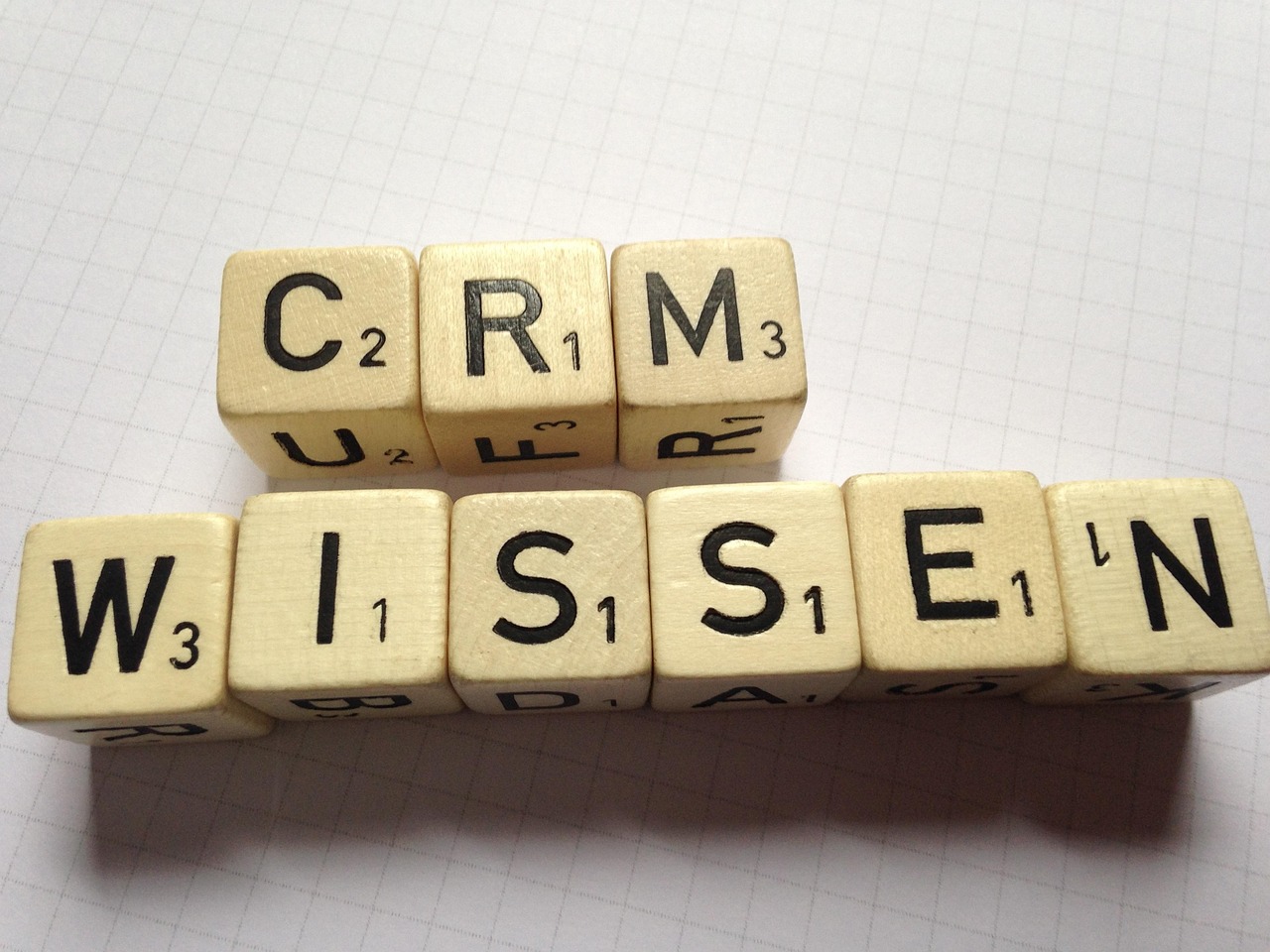
In today’s fast-paced digital world, building and maintaining strong customer relationships is key to business success. A Customer Relationship Management (CRM) system helps businesses manage interactions with current and potential customers, automate sales and marketing processes, and improve overall customer satisfaction.
However, with dozens of CRM solutions on the market, choosing the right one can feel overwhelming. This guide will walk you through the key steps and criteria to help you select the best CRM for your business needs.
1. Understand Your Business Goals
Before diving into features and pricing, take a step back and define what you want your CRM to achieve.
Ask yourself:
- Do you want to increase sales productivity?
- Are you trying to improve customer service?
- Do you need better marketing automation?
- Are you looking for better data and reporting?
Having clear goals helps narrow down options and ensures your CRM aligns with your business strategy.
2. Know Your Team’s Needs
Different departments (sales, marketing, support) may use the CRM in different ways. Involve key team members in the decision-making process.
Consider:
- Who will use the CRM? (e.g., sales reps, marketers, support agents)
- What kind of training and support will they need?
- Do you need mobile access or remote collaboration?
A CRM should improve your team’s efficiency, not complicate it.
3. Choose the Right Features
Look for features that directly support your business goals. Avoid overpaying for tools you won’t use.
Essential CRM Features:
- Contact and lead management
- Sales pipeline and forecasting
- Task and activity tracking
- Email integration
- Reporting and analytics
- Workflow automation
Bonus Features to Consider:
- Social media tracking
- AI-powered insights
- Chatbot or live chat integration
- Third-party app integrations (e.g., Mailchimp, QuickBooks)
4. Consider Your Budget
CRM solutions vary widely in pricing—from free options to enterprise-level platforms with premium features.
Pricing Models:
- Per-user per-month subscription
- Tiered pricing based on features
- Freemium plans with upgrade options
Always balance cost vs. value. Consider how the CRM can increase revenue or reduce inefficiencies to justify the investment.
5. Ensure Integration with Existing Tools
Your CRM should play well with the tools you already use.
Check for integrations with:
- Email clients (Gmail, Outlook)
- Calendar tools (Google Calendar)
- Accounting software (QuickBooks, Xero)
- Marketing platforms (HubSpot, Mailchimp)
- E-commerce platforms (Shopify, WooCommerce)
Good integrations reduce manual data entry and improve workflow efficiency.
6. Test Usability and Support
A CRM is only effective if your team actually uses it.
Evaluate:
- Is the interface clean and user-friendly?
- Is the mobile app reliable?
- Is customer support responsive and helpful?
- Are there onboarding tutorials and documentation?
Opt for a CRM with free trials or demo versions so your team can test it hands-on.
7. Scalability and Customization
Choose a CRM that can grow with your business.
Look for:
- Customizable dashboards, fields, and workflows
- Flexible user permissions
- Ability to upgrade plans or add modules
You don’t want to outgrow your CRM within a year.
8. Top CRM Options to Explore in 2025
| CRM Tool | Best For | Notable Feature |
|---|---|---|
| HubSpot CRM | Small to mid-sized teams | Free version with powerful tools |
| Salesforce | Large enterprises | Deep customization & integration |
| Zoho CRM | Budget-friendly users | AI-powered assistant “Zia” |
| Pipedrive | Sales-focused teams | Visual pipeline and automation |
| Freshsales | Growing businesses | Built-in phone and email tools |
| Monday Sales CRM | Project-driven teams | Workflows and CRM in one platform |
Final Thoughts
Choosing the right CRM is about finding the right balance between functionality, affordability, usability, and scalability. A well-chosen CRM can boost your efficiency, improve customer relationships, and drive business growth.
Take your time to evaluate options, involve your team in testing, and don’t hesitate to start small and scale up. The right CRM isn’t just a tool—it’s a partner in your business’s success.