

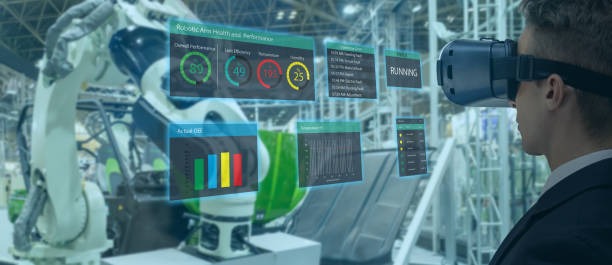
Manufacturers are under constant pressure to optimize operations, reduce downtime, and respond quickly to changing market demands in today’s rapidly evolving industrial landscape. Gaining immediate visibility into production processes, equipment performance, and supply chain activities has become essential for making informed decisions. By leveraging timely data, companies can detect inefficiencies, anticipate maintenance needs, and adjust workflows in real time, ultimately enhancing productivity and product quality. Access to accurate, up-to-date information allows teams to act proactively rather than reactively, fostering a culture of continuous improvement across the factory floor.
Integrating advanced tools like manufacturing analytics software enables organizations to turn vast amounts of operational data into actionable insights. These systems can track key performance indicators, identify trends, and highlight areas where processes may be optimized. By analyzing patterns in real time, manufacturers can streamline decision-making, reduce waste, and improve overall efficiency. This data-driven approach empowers businesses to remain competitive while maintaining high-quality and operational resilience standards.
The Role of Real-Time Data in Manufacturing
Real-time data has become a key factor in transforming manufacturing processes. Instead of relying on periodic checks or delayed reports, plant operators and managers now have instant access to metrics that enable them to monitor equipment performance, evaluate product quality, and detect faults immediately. Companies leveraging real-time insights can achieve yield rates up to 99%, highlighting the importance of quick, data-driven responses.
This ongoing visibility allows for immediate correction of inefficiencies like machine slowdowns, bottlenecks, or unplanned shutdowns. With the help of automated alerts and visual dashboards, plant teams receive early warnings about deviations from standard performance, helping to avoid costly downtime or safety issues. Additionally, real-time data provides a reliable basis for advanced analytics, supporting more precise forecasting and better resource management.
Implementing IIoT for Enhanced Efficiency
The Industrial Internet of Things (IIoT) has ushered in a new era of connectivity on manufacturing floors by linking equipment, sensors, and systems to form a seamless data ecosystem. Installing IIoT devices on machinery enables continuous tracking of performance metrics, energy usage, and early detection of wear and tear before failures happen. This shift supports predictive maintenance, moving away from reactive repairs, and enhances inventory control and scheduling. As a result, companies experience less downtime, increased production, and substantial reductions in maintenance expenses.
Moreover, IIoT empowers real-time decision-making by providing managers with actionable insights drawn from aggregated data across multiple operations. Integration with cloud platforms and analytics tools allows organizations to identify bottlenecks, optimize resource allocation, and improve overall operational efficiency. Over time, these improvements foster smarter workflows, stronger supply chain coordination, and enhanced product quality. Furthermore, employees enjoy safer working environments because IIoT systems can identify dangerous situations early and activate automated alerts or safety measures, thereby promoting sustainable and resilient industrial operations.
Digital Twins: Transforming Production Processes
Digital twins represent cutting-edge technology that takes simulation and optimization to the next level. These digital models virtually mirror physical assets and processes, allowing manufacturers to run simulations, predict outcomes, and optimize settings in a risk-free digital environment. Deploying digital twins helps manufacturers reduce downtime and avoid expensive trial-and-error on real machines.
Through continuous synchronization with their real-world counterparts via IoT connectivity, digital twins enable accurate, scenario-based analysis—improving product development, quality assurance, and even employee training. Manufacturers benefit from actionable insights that guide machine adjustments, enable batch customization, and support compliance with evolving regulatory or customer requirements.
Overcoming Challenges in Adopting Real-Time Insights
Despite the clear advantages, many manufacturers encounter hurdles when implementing real-time data solutions. These can include up-front technology costs, complex integration with legacy systems, and concerns around cybersecurity. To mitigate these risks, experts recommend a phased rollout, starting with critical production lines or pilot projects, and choosing IIoT platforms with robust security protocols.
Research found that adopting IoT-enabled frameworks can yield an 18% drop in energy usage and a 22% reduction in machine downtime. This demonstrates the substantial return on investment for organizations that overcome initial implementation challenges. Building digital literacy and a data-centric culture among employees further accelerates the transition and ensures long-term success.
Case Study: Improving Safety and Efficiency with IoT
Manufacturers leveraging IoT and wireless connectivity have not only increased operational flexibility but also improved safety standards. A report from ManufacturingTomorrow details how IoT sensors allow for the dynamic rearrangement of facilities with minimal disruption, real-time environmental monitoring, and instant identification of potential safety incidents. The integration of real-time safety analytics helps prevent accidents and empowers managers to make safer, quicker decisions on the floor.
Beyond injury prevention, IoT aids sustainability efforts by tracking material usage, reducing waste, and supporting optimized equipment operation—building a stronger, more resilient, and eco-friendly manufacturing environment.
Future Trends in Real-Time Manufacturing Insights
The convergence of artificial intelligence with real-time data technologies is forecast to further transform manufacturing in the years ahead. AI-driven solutions will unlock even faster supply chain visibility, automate routine analysis, and deliver predictive insights that anticipate disruptions. These AI-enhanced capabilities are key to overcoming traditional visibility gaps and ensuring highly adaptive, resilient operations.
As computing power and IoT networks expand, expect to see broader adoption of real-time, closed-loop systems—where decisions are not only informed by the latest data, but fully automated across production, inventory, and even customer fulfillment.
Conclusion
Real-time insights, driven by manufacturing analytics software, IIoT, and digital twins, are foundational to a smarter, safer, and more agile manufacturing environment. As technology and data strategies advance, forward-looking manufacturers will secure their competitive edge through deeper integration of real-time intelligence—proactively shaping their operations, workforce, and market offerings for the future.