

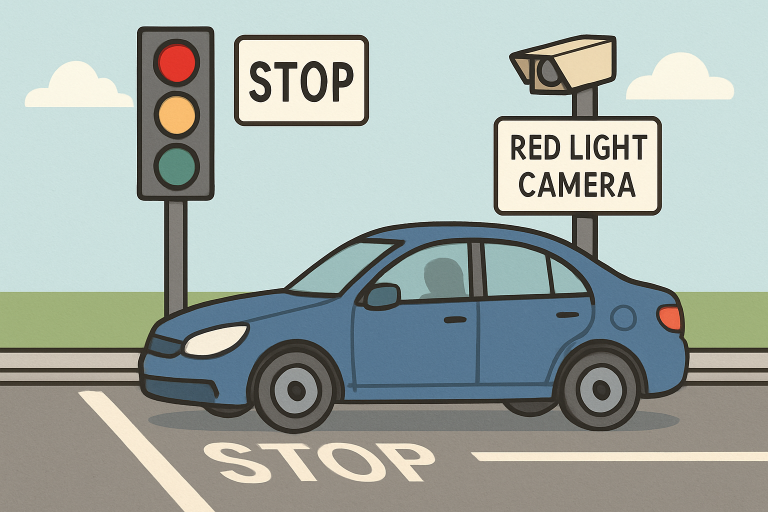
Red light cameras are now a prominent part of urban traffic enforcement worldwide. Their main purpose is to promote safer driving habits and reduce collisions caused by traffic signal violations. It’s important for drivers to understand the risks associated with these cameras, including potential fines and insurance impacts. By adopting effective safety habits, you can avoid common mistakes, protect yourself from red light camera tickets, and make the roads safer for everyone.
Getting caught running a red light not only results in financial penalties but can also put your driving record and insurance rates at risk. Fortunately, with awareness and a commitment to safe driving practices, you can greatly reduce the likelihood of receiving a ticket. Developing these habits will save money and safeguard lives in the long run.
Most drivers encounter these cameras only occasionally, but it’s important to know how they work and how to respond when approaching an intersection. Being consistent in your approach and paying attention to signals can help you avoid unnecessary violations, especially as more cities expand their red light camera programs. Responsible driving benefits everyone on the road.
Understanding the ins and outs of red light cameras and staying up to date with changing regulations can help you avoid citations and incidents. These proactive steps are crucial for any driver seeking peace of mind and a safe journey.
Understand the Functioning of Red Light Cameras
Red light cameras use automated technology to record vehicles entering intersections after the light turns red. The system captures images and sometimes a short video clip, which is then reviewed by authorities before a ticket is issued. The intent behind these cameras is to curb dangerous driving and create safer crossroads for motorists and pedestrians alike. As cities have installed more red light and speed cameras, studies have reported measurable reductions in serious crashes and injuries at monitored intersections. Recent data from the Insurance Institute for Highway Safety indicates that red light cameras can reduce fatal crashes by up to 21 percent at treated sites.
Always Stop Completely at Red Lights
Ensuring your vehicle comes to a full stop at every red light is the simplest way to avoid triggering a red-light camera. This means stopping before the marked stop line or crosswalk and waiting until the light turns green. Rolling through a stop or failing to halt altogether can result in an automatic violation, with cameras programmed to catch even minor infractions. Committing to this habit not only avoids penalties but keeps everyone at the intersection safer.
Approach Yellow Lights with Caution
Yellow lights act as a warning signal that the light will soon turn red. Instead of speeding up, it’s safest to slow down and prepare to stop if there is enough distance to do so safely. Attempting to rush through an intersection can increase your risk of a camera ticket and elevate your chances of causing a crash. The most effective defensive strategy is to thoroughly evaluate the situation and prioritize safety.
Stay Informed About Camera Locations
Knowing where red light cameras are installed in your daily driving routes helps maintain extra vigilance at those locations. Municipal websites and navigation apps often update drivers on camera locations, helping avoid surprises. This awareness encourages consistent, law-abiding behavior rather than reactive measures. For additional information, checking local government traffic resources and reputable navigation apps can give you an added edge.
Maintain a Safe Following Distance
Keeping enough space between your car and the vehicle ahead allows you time to respond to flashing yellow or red signals and to unexpected stops. Many rear-end collisions at intersections occur when drivers fail to stop in time for a red light or when traffic changes suddenly. Aim for at least a three-second following distance, which gives you a buffer to stop or slow down safely as signals change. This is a key step for avoiding both citations and crashes.
Avoid Distractions While Driving
Focused driving is essential, especially near intersections. Common distractions, such as using your phone, eating, or adjusting the car’s controls, can easily lead to missed signals or running a red light. Eliminating as many distractions as possible ensures that your full attention is on the road, especially when approaching or waiting at a traffic light. A report by the National Highway Traffic Safety Administration found that distracted driving was a factor in over 3,000 fatal crashes in the United States in 2022. Avoid multitasking behind the wheel, and prioritize signal awareness to keep yourself and others out of harm’s way. For more information, visit the CAA’s distracted driving page.
Be Mindful of Right Turns on Red
Many cities allow right turns on red after a complete stop, but failing to fully stop first can trigger a red light camera. Before turning, come to a halt at the designated line, look out for pedestrians and cross-traffic, and proceed only when it’s legally safe to do so. Skipping this proper sequence not only risks a ticket but can put other road users at risk.
Stay Updated on Traffic Laws and Regulations
Laws regarding red light cameras, permissible right turns, and other intersection rules can change. Staying informed by checking your city’s official transportation website or reputable roadway safety resources is the best way to ensure compliance. Regularly reviewing the rules helps you remain confident and responsible as you navigate increasingly monitored roads.
Conclusion
Avoiding red light camera violations is about more than just evading fines; it’s a key component of safe, responsible driving. By stopping completely at red lights, approaching yellow lights cautiously, maintaining safe following distances, and minimizing distractions, drivers can significantly reduce the risk of violations and accidents. Staying informed about camera locations, right-turn rules, and evolving traffic laws ensures compliance and peace of mind. Consistently applying these practices not only protects your driving record and insurance rates but also contributes to safer roads for everyone.