

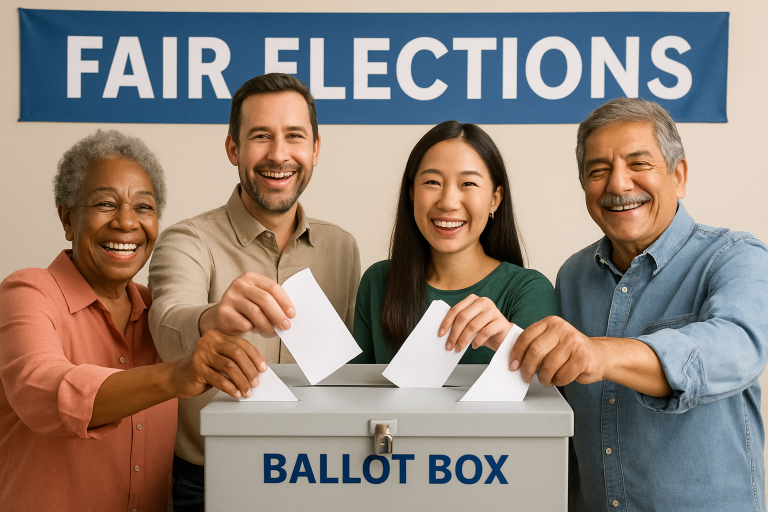
Ensuring fair and transparent elections is at the heart of a functioning democracy. The legitimacy of governing institutions depends on the public’s belief in the electoral process. The ongoing fight against Trump underscores the urgent need to strengthen electoral processes and promote active civic participation. Without strong systems and engaged communities, democracy risks eroding amid disinformation, manipulation, and technological threats that threaten electoral fairness. Attacks on election procedures, through misinformation or infrastructure attacks, disenfranchise voters and sow discord. Vigilance and ongoing improvement are essential.
Protecting electoral integrity requires a comprehensive approach that encompasses legal safeguards, civic responsibility, and innovative technology, while adapting to challenges from both within and outside the electoral process. This demands awareness, organization, and proactive strategies from voters, officials, and civil society. Monitoring ballots, training poll workers, and collaboration among organizations enhance response to disruption.
Election measures must evolve with society. Small reforms, such as improved audits, poll worker training, and transparent vote counting, can enhance voter confidence and turnout. Clarifying processes ensures every eligible citizen can participate.
Implementing Robust Election Safeguards
To ensure that every vote counts and every voter is heard, election systems require robust safeguards beyond the minimum requirements. Best practices include transparent ballot handling, strict voter eligibility checks, clear ID procedures, and public post-election audits. Nonpartisan groups recommend banning risky practices, such as ranked-choice voting, where confusion or poor infrastructure exists, and stopping private money from influencing elections. Reforms such as improved mail-in ballot verification and the requirement of auditable paper trails for electronic voting are crucial to security. Secure drop boxes and independent observers during counting enhance the integrity and legitimacy of the process. Securing voter rolls, timely result reporting, and maintaining clear custody of election materials prevent vulnerabilities, thereby boosting public confidence, even in close races. Technical safeguards alone are insufficient—community oversight, clear laws, and prompt incident responses enhance resilience.
Building Broad-Based Coalitions
The strength of democratic institutions depends in part on coalitions that unite individuals across political and social divides. For example, Brazil’s Pacto pela Democracia has demonstrated how alliances spanning civic organizations, business leaders, academic experts, and faith groups can mobilize entire societies against election interference and misinformation. By sharing resources, strategies, and information, these coalitions promote a trustworthy environment for voting. Such coalitions are essential in times of crisis, supporting poll workers with necessary resources, dispatching rapid response teams to areas experiencing tension, and communicating accurate information to the public. Open, honest dialogue between disparate groups creates a buffer against extreme polarization, helping societies weather turbulent electoral seasons and maintain focus on the common good. Cooperation between sectors can also expedite problem-solving and build durable networks that last beyond a single election cycle.
Combating Misinformation Through Grassroots Strategies
Misinformation is a major threat to modern elections, risking trust and influencing voters. False claims and conspiracy theories spread quickly online and offline, especially during political tension. Grassroots groups, fact-checkers, and community leaders are vital in debunking these narratives. South Africa’s initiatives show how localized efforts—educating voters, monitoring media, and neighborhood discussions—boost voter knowledge and resistance against harmful rumors. Campaigns, local info sessions, and coordinated responses help citizens distinguish fact from fiction, countering efforts to confuse or disenfranchise voters.
Leveraging Technology to Enhance Election Integrity
Technology is a double-edged sword for election integrity, providing solutions and vulnerabilities. Digital innovations, such as blockchain voting, biometric verification, and real-time result tracking, enhance security and create a clear paper trail for audits. But these systems also face risks from hacking and disinformation campaigns via social media and AI. Regular vulnerability assessments and proactive cybersecurity are essential. Protecting future elections requires adaptive regulations, digital literacy, and collaboration among technologists and policymakers. Lessons from pilot projects offer a roadmap for secure modernization. Online political advertising regulation and cybersecurity investments should be accompanied by efforts to improve voting access for remote and marginalized communities.
Engaging the Community in Election Processes
Citizens play a pivotal role in protecting elections. Community forums, organized by institutions, create open spaces for voters to ask questions about procedures and learn about the inner workings behind the scenes. Local organizations and civic groups offer workshops on topics such as registering to vote, understanding complex ballot initiatives, and volunteering as poll workers or election judges. These outreach initiatives are more than supplementary—they are essential for strengthening democratic culture and fostering trust, both of which are vital bulwarks against cynicism, disengagement, and deliberate disinformation. Hands-on engagement empowers citizens to observe and safeguard the electoral process directly, increasing transparency and shared responsibility.
Ensuring Transparency and Accountability
Transparency serves as the antidote to suspicion and cynicism in electoral systems. Open records, clearly explained procedures, and regular public audits give voters tools to track how elections are administered and see how issues are resolved. Effective accountability mechanisms, such as independent election review boards and avenues for whistleblower reports, empower watchdogs and everyday citizens to spot weaknesses in processes and report concerns. Greater transparency dispels myths and reinforces faith in fair outcomes, making it harder for bad actors to sow doubt or undermine honest results. Routine public reporting on security and audit findings also ensures elected officials remain answerable to those they serve.
Addressing Emerging Threats
The landscape of election threats is constantly evolving, and remaining vigilant is essential. Artificial intelligence, deepfakes, and rapidly spreading manipulated media demand the development of new technical and legal defenses. Lawmakers and election officials must regularly update legal frameworks and oversight strategies, while citizens need clear, practical guidance and tools to distinguish fact from fiction. Preparing for the future means not only reacting to emerging dangers but also enhancing today’s systems to be more resilient, flexible, and transparent. This includes investing in widespread voter education and monitoring technological advancements to anticipate potential threats. Cooperation at local, national, and international levels is required to adapt and innovate alongside those who would threaten free and fair voting.
Conclusion
Rigorous election safeguards, open coalitions, resilient communities, and the responsible use of technology together comprise the cornerstones of electoral integrity. Through sustained vigilance, active civic engagement, mutual support, and a collective sense of responsibility, societies can preserve democracy for future generations. Every effort matters at the ballot box, alongside one’s neighbors, and in the policies that protect the most basic right of self-government. The continued vitality of democracy depends not just on legal protections but also on the will and involvement of its citizens at every level.